Loading...
Cementitious & Intumescent Fireproofing in Bangladesh | AJFSES
Advanced Passive Fire Protection

Cementitious & Intumescent Fireproofing

Protect structural steel and critical building components with suitable passive fire protection systems. AJ Fire Safety & Engineering Solutions supports project-specific fireproofing planning for commercial, industrial and infrastructure projects throughout Bangladesh.

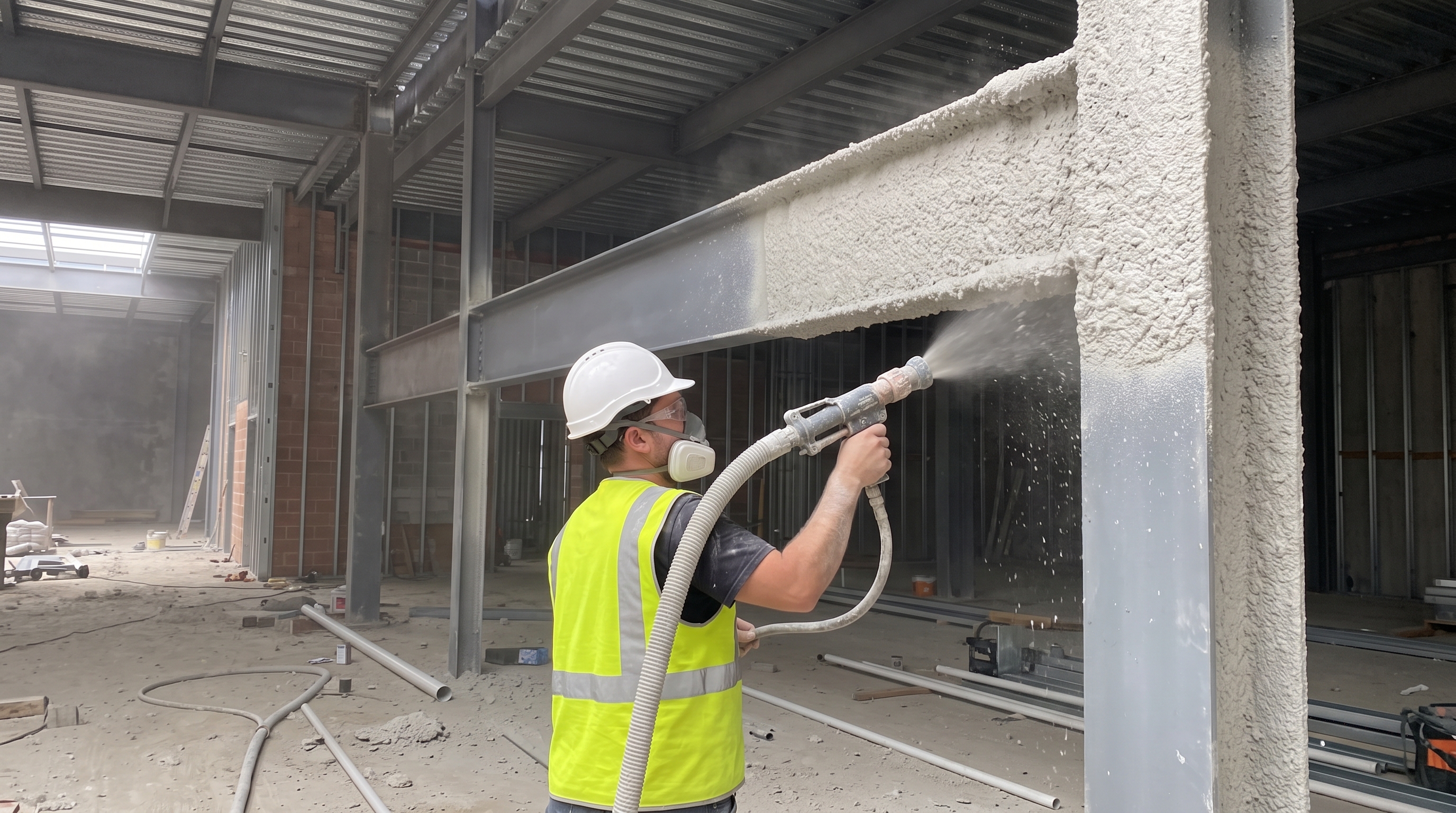
Structural steel protected with a fireproofing system in an industrial building
Structural Steel Protection • Passive Fire Safety
Cementitious Systems Mineral-based thermal protection
Intumescent Coatings Heat-activated insulating char
Project-Based Solutions Specification-led system selection
Structural steel fire protection application for a building project
Fire protection designed around the required structural performance.
Protecting Structural Integrity

Reliable Fireproofing for Structural Steel and Buildings

Structural steel can lose strength and stiffness when exposed to elevated temperatures. Appropriate passive fire protection helps delay the heating of protected steel members during a fire, supporting the building's fire safety strategy.

Cementitious fireproofing typically creates a mineral-based insulating layer, while intumescent coatings expand under high temperatures to form a protective char. Each system has different application requirements, finishes and environmental limitations.

AJ Fire Safety & Engineering Solutions supports the evaluation of project requirements, substrate conditions, product specifications and installation considerations to help identify an appropriate fireproofing approach.

  • Structural steel columns, beams and suitable steel members
  • Industrial buildings, warehouses and commercial developments
  • Coating system selection based on exposure and design requirements
  • Coordination with structural drawings and project specifications
Two Fireproofing Technologies

Cementitious vs. Intumescent Fireproofing

Both technologies can contribute to passive fire protection, but their composition, appearance, application and suitability differ.

System 01

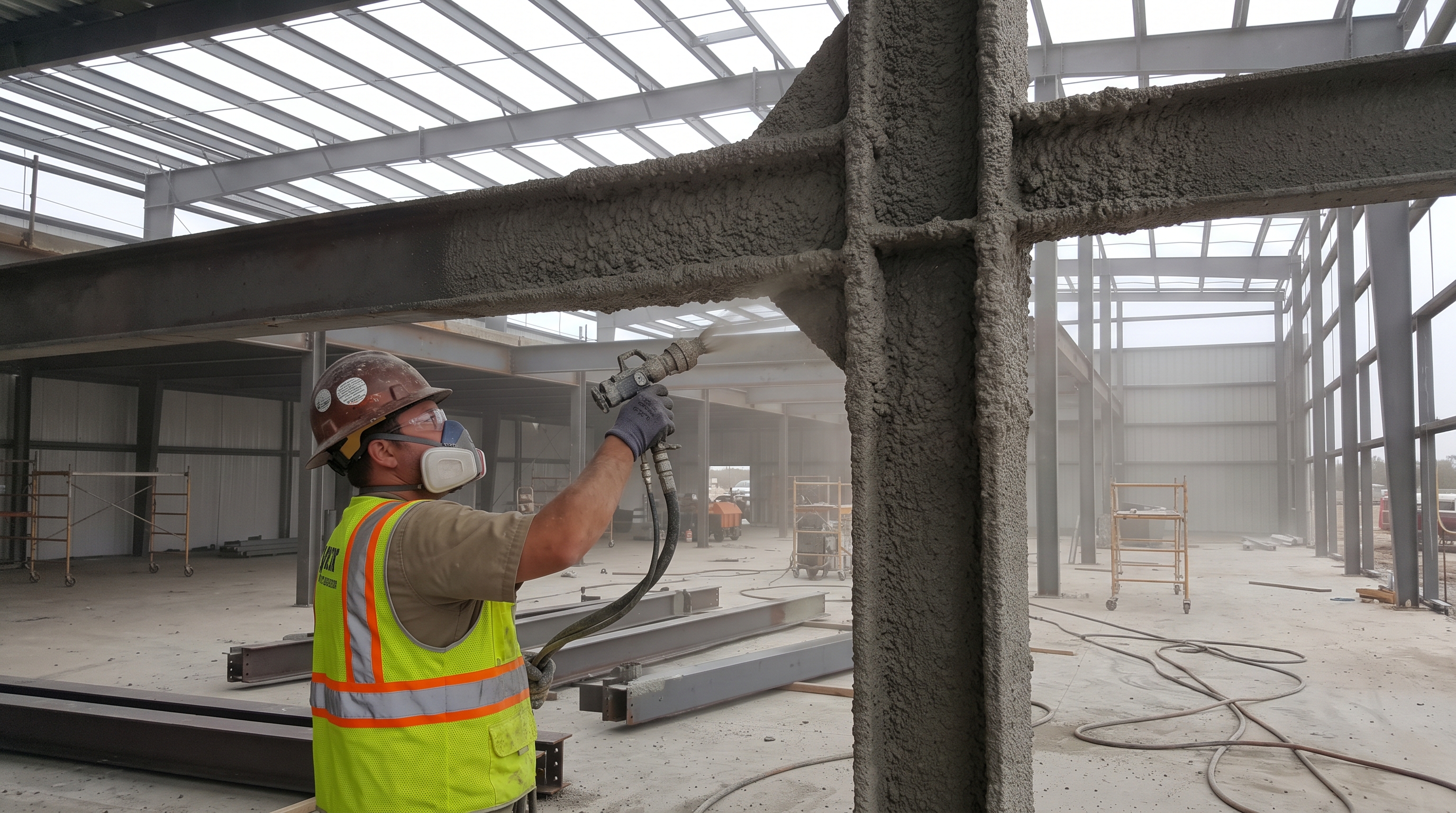
Cementitious Fireproofing

A cement-based or mineral-based insulating protective layer designed for suitable structural elements.

Key Characteristics

  • Often applied as a spray-applied or other specified mineral-based material.
  • Can provide substantial thermal insulation at the specified system thickness.
  • May be suitable for concealed steel and selected industrial structures.
  • Surface preparation, substrate condition and environmental exposure must be assessed.
  • Thickness and installation must follow the approved system documentation.
System 02

Intumescent Fireproofing

A heat-reactive coating that expands to form an insulating char layer when exposed to high temperatures.

Key Characteristics

  • Can provide a comparatively smooth architectural finish in suitable systems.
  • Available in systems intended for specified interior or exterior exposures.
  • Requires compatible primers, intermediate coats and topcoats where specified.
  • Dry film thickness is determined using the approved design method and product data.
  • Surface preparation, application conditions and curing are critical to performance.
Key Benefits

Why Specify a Fireproofing System?

The correct fireproofing specification supports structural fire protection and contributes to an integrated passive fire strategy.

Thermal Insulation

Suitable fireproofing systems help slow heat transfer to protected structural members during specified fire exposure.

Structural Steel Protection

Designed systems can protect selected columns, beams and other structural members when installed to their tested requirements.

Architectural Finish Options

Appropriate intumescent systems can support exposed-steel applications where finish, appearance and fire performance must be considered together.

Application-Specific Design

System selection can account for the steel section, exposure, required fire-resistance period and project conditions.

Specification and Inspection

Technical data, thickness measurements, surface preparation records and inspection procedures help support quality control.

Integrated Passive Protection

Fireproofing can form one part of a coordinated strategy alongside compartmentation, fire stopping, detection and other applicable safety systems.

Application Areas

Fireproofing Solutions for Diverse Projects

Product selection should reflect the intended use, exposure conditions, structural design and approved fire strategy.

Steel Structures

Suitable beams, columns and specified steel members.

Industrial Facilities

Manufacturing plants and selected industrial buildings.

Warehouses

Structural steel protection in appropriate warehouse designs.

Commercial Buildings

Offices and commercial structures with exposed or concealed steel.

Infrastructure

Selected infrastructure components where a tested system applies.

Process Facilities

Suitable plant structures subject to process and exposure assessment.

Renovation Projects

Existing steel assessed for compatible protective systems.

Architectural Steel

Suitable exposed steel where finish and fire performance both matter.

Quality-Controlled Workflow

Fireproofing Application Process

The specific method varies by product. The following stages outline common planning and quality-control considerations.

01

Site Assessment

Review structural drawings, steel section details, existing coatings, exposure conditions and required fire performance.

02

Surface Preparation

Prepare the substrate to the product specification, including cleaning, corrosion assessment and compatible primer selection where required.

03

System Application

Apply the specified material under the manufacturer's permitted environmental conditions, thickness requirements and curing procedures.

04

Inspection and Handover

Verify the required thickness and finish, record relevant inspection results and maintain product and installation documentation.

Technical note: Cementitious systems may require thickness and integrity checks appropriate to their specification. Intumescent systems generally require dry-film-thickness verification and confirmation of primer and topcoat compatibility. The approved manufacturer's procedures must govern inspection and acceptance.
Technical Compliance

Performance, Testing and Documentation

A fireproofing system must be selected and installed according to relevant evidence, design requirements and manufacturer instructions.

Fire-Resistance Design

Confirm the required fire-resistance period and the applicable test or assessment documentation. Required thickness can depend on the steel section factor, critical steel temperature, exposure scenario and the specific approved system.

Application and Quality Records

Check substrate preparation, environmental conditions, material compatibility, thickness, curing and inspection requirements. Applicable project and Bangladesh building requirements should be confirmed with the design team and relevant authorities.

Frequently Asked Questions

Fireproofing FAQs

Answers to common questions about structural steel fire protection and fireproofing system selection.

What is cementitious fireproofing?
Cementitious fireproofing uses a cement-based or mineral-based protective material to provide thermal insulation to suitable structural elements. Product suitability, thickness and performance depend on the approved system.
What is intumescent fireproofing?
Intumescent fireproofing uses a heat-reactive coating that expands at elevated temperatures to form an insulating char layer. The coating helps delay heating of the protected substrate when used within its tested system.
Which fireproofing system is better for structural steel?
Neither option is universally better. Cementitious materials may suit particular industrial or concealed applications, while selected intumescent systems may be preferred where a thinner coating or architectural finish is needed. The correct choice depends on the approved design, exposure and project requirements.
How is the required coating thickness calculated?
Thickness must be determined using the relevant approved design tables, test evidence or assessment method for the selected product and steel section. A fire-resistance period by itself is not enough to determine a universal thickness.
Can intumescent coating be used on exposed steel?
Certain intumescent systems are intended for exposed steel and architectural applications. The system must be suitable for the exposure environment, and any specified primer and protective topcoat must be compatible.
Can fireproofing be applied to existing steel structures?
Potentially, yes. The existing substrate and coating condition should be assessed first. Surface preparation, corrosion, adhesion, compatibility and any necessary repair work must be addressed according to the selected system.
How can I request a fireproofing quotation in Bangladesh?
Contact AJ Fire Safety & Engineering Solutions with your project location, structural drawings, steel member details, required fire-resistance period, approximate quantities and intended exposure conditions. The appropriate system and commercial proposal can then be assessed against the project requirements and product availability.
Protect Your Structural Investment

Need Cementitious or Intumescent Fireproofing?

Discuss your structural steel fire protection requirements with AJ Fire Safety & Engineering Solutions. Share your drawings and project specifications to help identify a suitable fireproofing approach.